Salsa Fundamentals for Adults Over 45
Master the basic step, timing, and hip movement. We'll cover common mistakes and how to build confidence quickly.
Why Salsa Works for Adults Over 45
Salsa isn't complicated. It's a pattern — once you understand the rhythm and the basic step, everything else builds from there. The thing is, salsa is actually easier to learn than most people think. You don't need to be naturally coordinated or have danced before. We've taught hundreds of adults your age, and they're all doing it.
The music does half the work. When you hear that steady beat, your body wants to move with it. We'll show you exactly how to sync your feet with the music and move your hips naturally — no awkward angles, no overthinking. Within the first few weeks, you'll feel it clicking.
What You'll Learn
- The basic step and timing
- Natural hip movement without strain
- How to follow and lead
- Building balance and coordination
- Dancing with confidence at socials
The Basic Step Explained
Salsa has one core rhythm: 1-2-3, pause, 5-6-7, pause. That's it. The "4" and "8" are rests — you don't step on them. Most people struggle at first because they're counting wrong or rushing the beat. Once you lock into the right tempo, it becomes automatic.
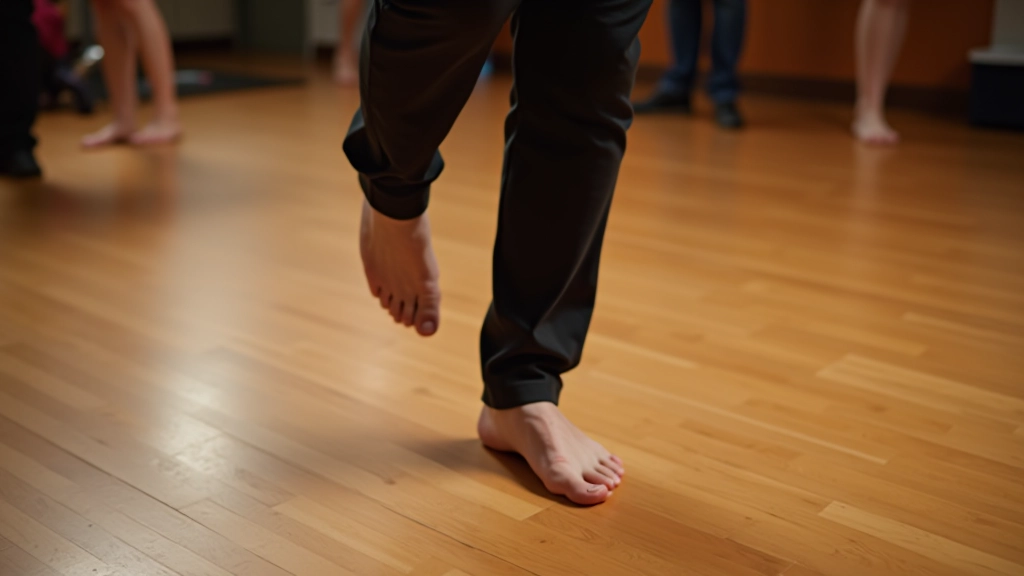
The basic step is simple. Step forward on 1 with your left foot, shift your weight back on 2, then step back in place on 3. On the pause (4), you're just settling your weight. Then reverse: back on 5, forward on 6, forward again on 7, and settle on 8. We teach this standing still first — no partners, no pressure. Just you and the rhythm. Most people get it within 10-15 minutes of instruction.
1
Forward
2
Shift
3
Back
5
Back
6
Forward
7
Forward

Hip Movement — It's Not What You Think
People worry about hip movement because they think it means something exaggerated or uncomfortable. It doesn't. Your hips move naturally when you step — you're not forcing anything. It's the result of your weight shift, not a separate technique you're trying to add on top.
Here's what actually happens: when you step forward on your left leg, your right hip naturally moves back. When you shift your weight, your hips follow. You're not thinking about it — it happens automatically if you're not tensing up. Most people hold their hips too stiff because they're nervous. Once you relax and let the steps do the work, the movement becomes smooth and natural. We focus on loosening shoulders and keeping your core engaged, not rigid.
After about 4-6 weeks of regular practice, you'll stop thinking about it entirely. Your body learns the pattern and the movement becomes part of the rhythm.
Common Mistakes (And How to Fix Them)
Counting Too Fast
You're rushing through the beat because you're nervous. Slow down. Most beginner songs are around 90-110 BPM — that's actually slower than you think. Count it out loud with the music. Don't let your mind get ahead of your feet.
Stepping on the Wrong Feet
If you're always confused about which foot goes first, mark your left shoe with tape for the first few lessons. It sounds silly, but it works. Your brain needs the visual cue until the pattern becomes automatic. After 2-3 weeks, you won't need it anymore.
Stiff Upper Body
You're holding tension because you're concentrating hard. This is normal, but it stops you from dancing smoothly. We do shoulder rolls and arm movements to help you relax. Let your arms hang naturally — they'll start moving with the rhythm once you're comfortable with the steps.
Not Listening to the Music
If you're only watching your feet, you're disconnected from the song. Listen for the clave — that's the underlying rhythm that drives salsa. Once you hear it, the steps fit naturally. We'll spend time just listening before you even move.
Building Confidence in the First Month
Week 1 is just about getting the basic step. You'll feel awkward. That's fine — everyone does. By the end of that first session, you'll be able to step through a basic pattern without thinking too hard about it. Your feet will still be conscious of every movement, but you're no longer completely lost.
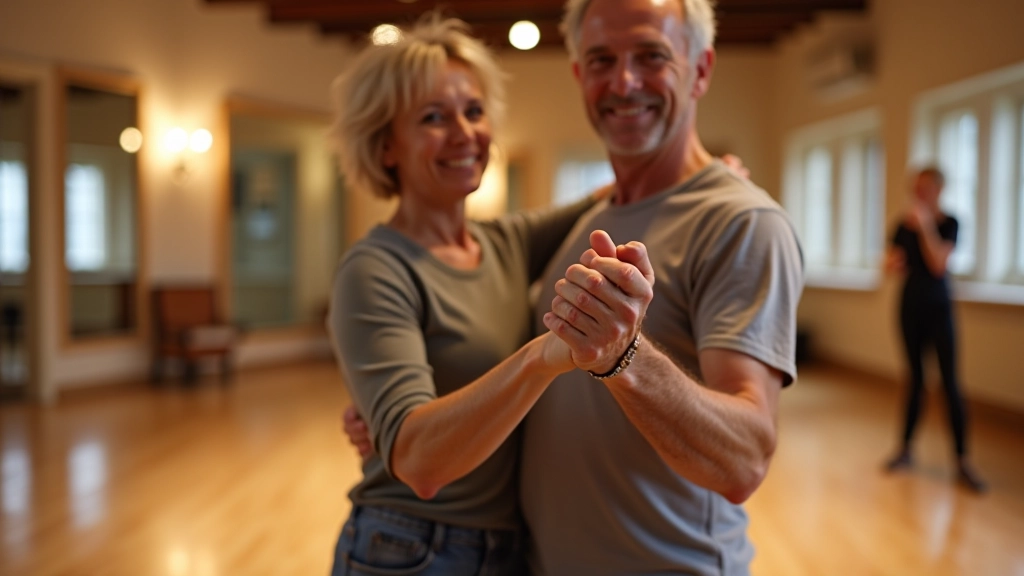
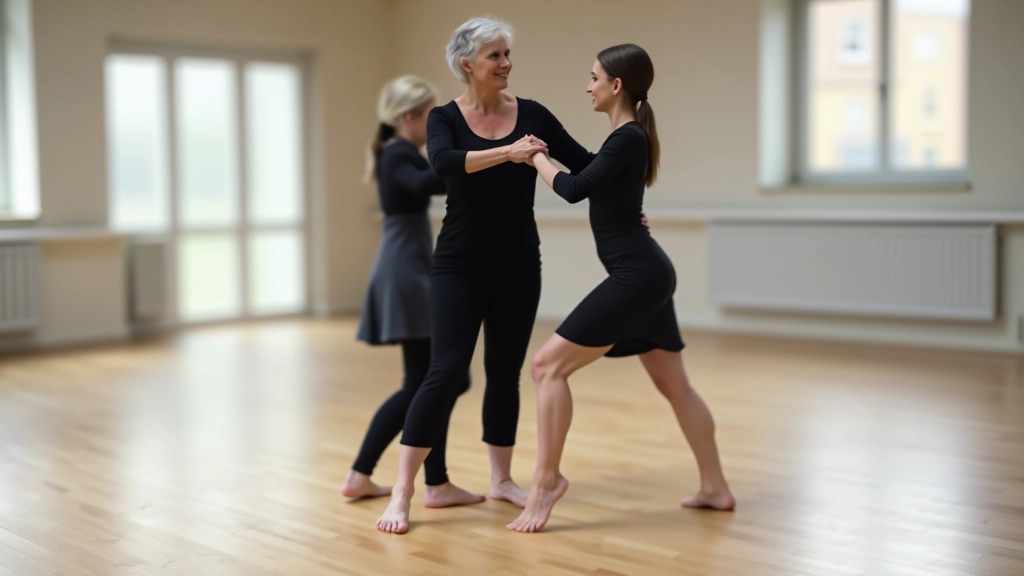
Week 2-3, you'll start adding partners. This is where people get nervous. But honestly, most of your dance partner just wants to do it right too. We teach you how to follow or lead — which is really just about maintaining connection and communicating through your arms and hands. You're not doing anything complicated. You're just moving together to the music.
By week 4, you'll notice something different. You won't be thinking "left foot, right foot" anymore. You'll be hearing the music and your body will move. That's when it actually starts being fun. That's when you'll understand why people dance socially every weekend.

Educational Note
This article is educational information about salsa dancing fundamentals. Individual progress varies depending on prior dance experience, physical condition, and practice frequency. If you have any physical concerns or health conditions, consult with a healthcare professional before beginning dance classes. Dance instruction works best with in-person guidance from qualified instructors.

Related Articles