Getting Started with Bachata: Your First Steps
Learn the basic rhythm, body movement, and partnering techniques that make bachata accessible for complete beginners. No experience needed.
What Is Bachata, Really?
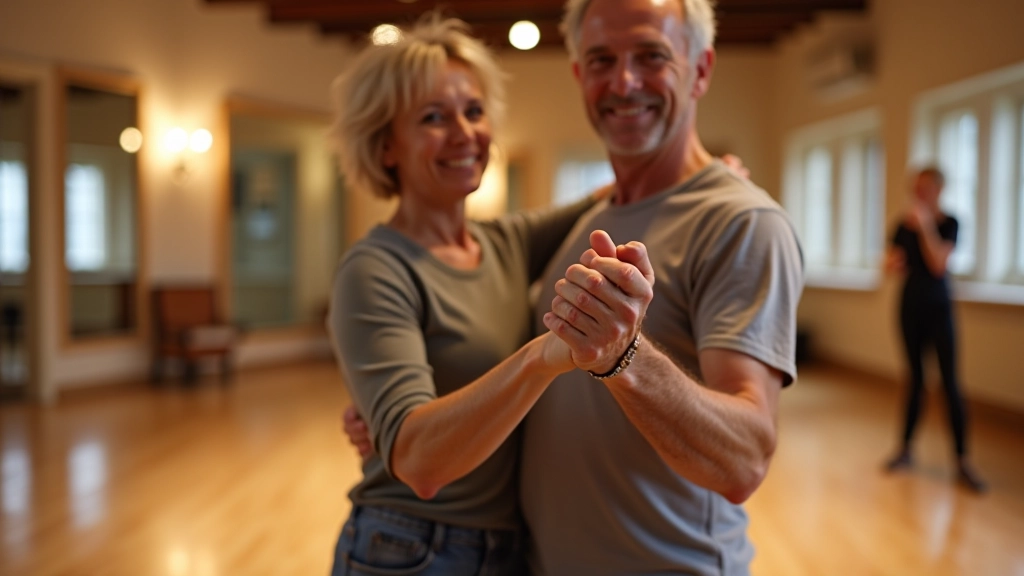
Bachata's a Dominican dance that's incredibly popular right now. It's got this romantic feel to it — close partnering, smooth hip movement, and music that pulls at your heart. But here's the thing: it's not as complicated as it looks from the sidelines.
The beauty of bachata is that it meets you where you are. Whether you're 25 or 65, whether you've danced before or never stepped foot in a studio, the fundamentals work the same way. You'll learn a basic step pattern first. Then body movement. Then you'll partner with someone. Each piece builds on the last, and you won't move forward until you're ready.
The Basic Step: Your Foundation
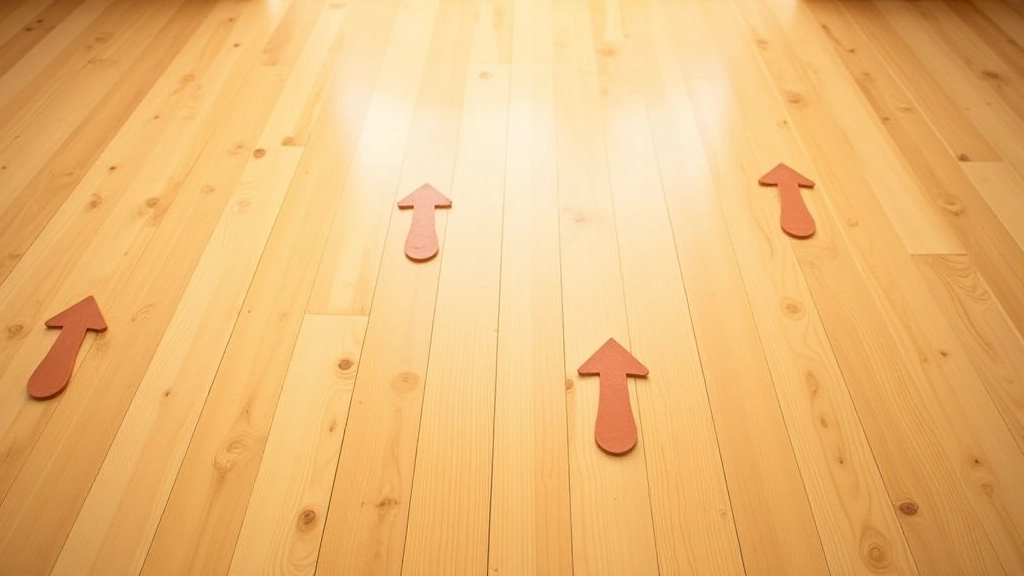
Every bachata dancer starts with the basic step. It's straightforward: forward, side, back. Then reverse it. That's genuinely it. You're moving in a box pattern — step forward with your left foot, step side with your right, step back with your left. Then you reverse the whole sequence. Don't worry about being perfect on day one. Nobody is.
Step Forward
Left foot moves forward on count one. Your body stays upright, weight shifts forward.
Step to the Side
Right foot moves to the side on count two. Weight transfers to your right side.
Step Back
Left foot closes back to center on count three. Complete the box pattern.
The Hip Movement: Where Bachata Comes Alive
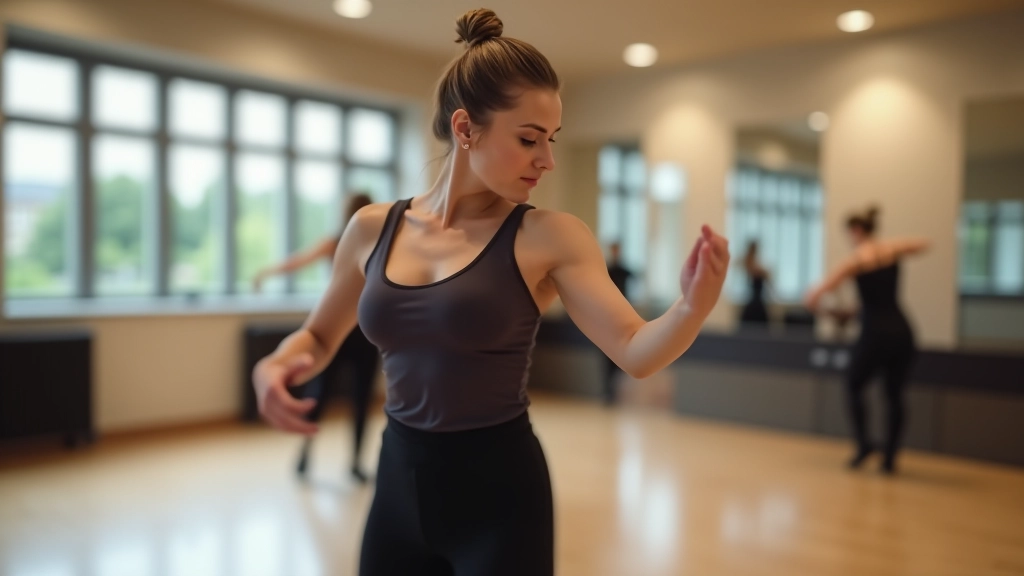
This is what makes bachata feel different from other dances. The hip movement isn't forced or exaggerated — it's natural. As you step, your hips follow. You're not trying to look sexy or do anything fancy. You're just letting your body move with the rhythm of the music.
The movement comes from your knees and hips, not from twisting your torso. Keep your upper body relatively still — your shoulders stay relaxed, your core engaged. Your legs and hips do the work. Most beginners overthink this part. But after a few sessions, your body starts to understand what the music wants from you. That's when it gets fun.
Pro tip: Don't force your hips. Let them move naturally as a result of your stepping. The rhythm will guide you. Listen to the music — it's telling you what to do.
Partnering: The Heart of Bachata
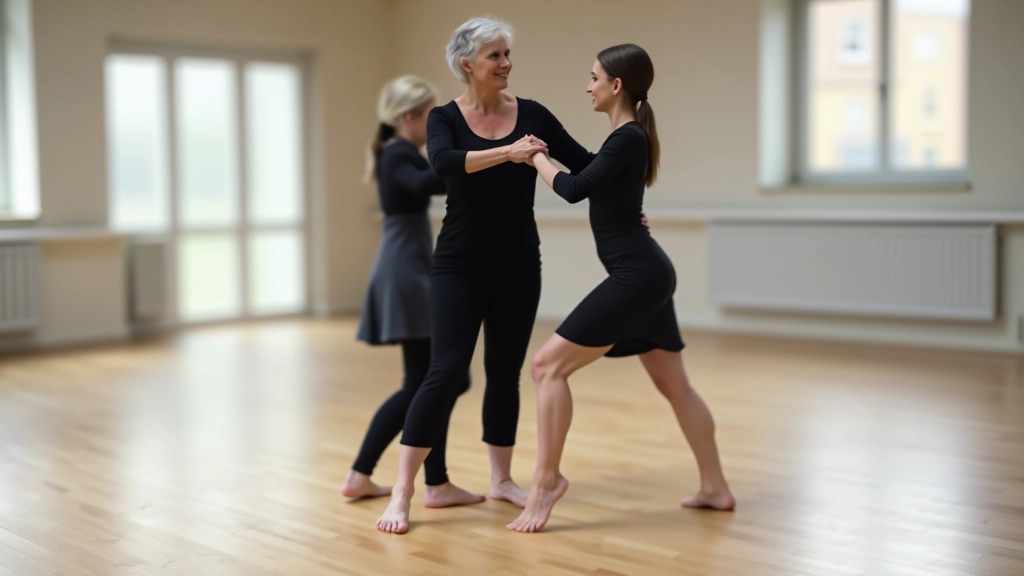
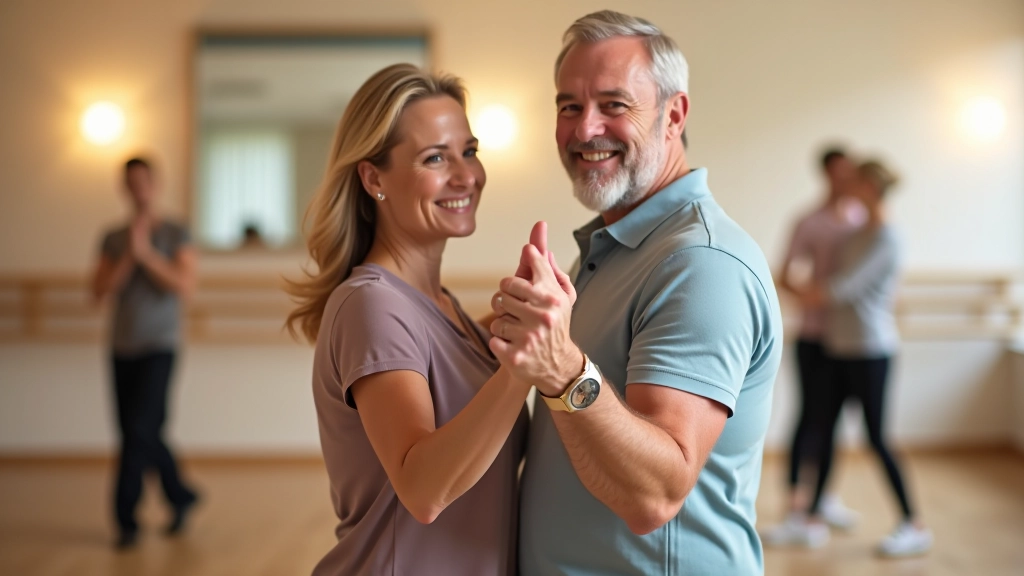
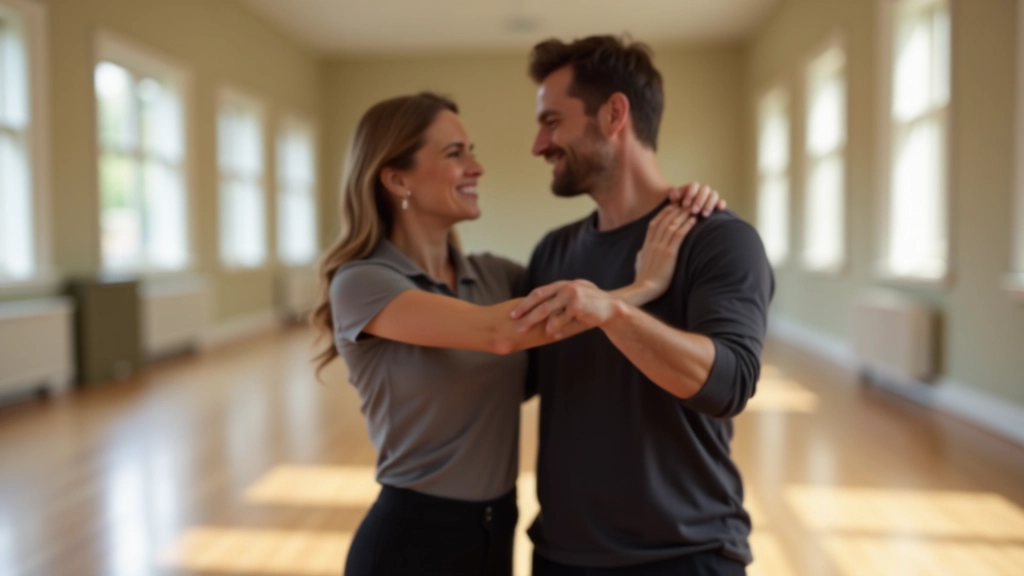
Bachata's fundamentally a partnered dance. You're not dancing alone — you're dancing with someone. The lead (usually the person stepping back first) guides the dance. The follow responds to that guidance. It's a conversation between two bodies, not one person showing off.
When you first start, you'll learn the frame — how you hold your partner's hand, where your hand rests on their back, how close you stand. The frame's important because it's how you communicate. Through the frame, the lead sends small signals. Through the frame, the follow receives them. Without a good frame, both people feel lost.
Don't be nervous about partnering. Most people feel awkward the first few times. You're dancing with a stranger, standing close, moving together. That's normal to feel uncertain about. But dancers are genuinely welcoming. They remember being new too. You'll find that within a couple of weeks, partnering starts to feel natural. Then it becomes the best part.
Educational Information
This article is informational and educational. It's designed to introduce bachata fundamentals and help you understand what to expect when you start learning. Everyone learns at their own pace, and what works for one person might need adjustment for another. Always work with a qualified instructor who can watch your movement and give you personalized feedback. If you have any physical limitations or concerns, mention them to your instructor before class starts.
What You'll Accomplish in Your First Weeks
You'll learn the basic step, understand the rhythm, and get comfortable in the studio. Your feet might feel clumsy — that's completely normal. You're creating new neural pathways.
The basic step starts to feel automatic. You'll add some hip movement. Partnering gets less awkward. You might even catch yourself moving to bachata music outside of class.
Real confidence shows up. You're anticipating your partner's movements. The music feels natural. You're starting to understand what "dancing" actually means — it's not just executing steps, it's listening and responding.
How to Actually Get Started
Find a local dance studio that offers beginner bachata classes. Look for instructors who've actually danced at a serious level — not everyone who teaches has performed professionally. Check class times, pricing, and whether they offer a trial class. Most studios let you try one class free or cheap to see if it's a fit.
Wear something comfortable that lets you move. You don't need dance shoes yet — regular sneakers or bare feet work fine. Bring water. Show up five minutes early so you're not rushed. Tell the instructor it's your first time. That's it. You're done with the logistics.
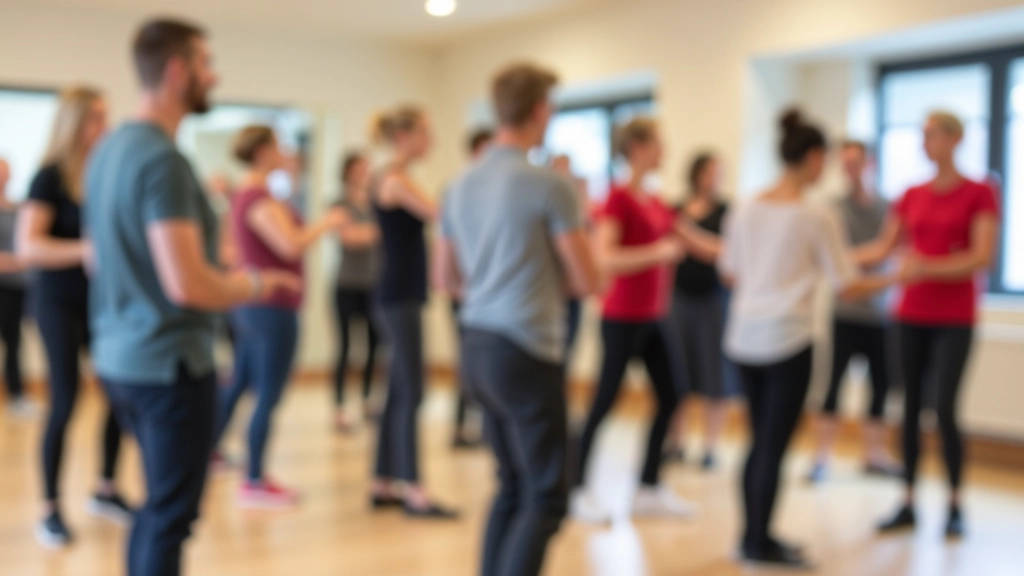
The hardest part's walking through the door. Everything after that gets easier because you're surrounded by people who understand exactly where you are. They've all been new before.
Explore More Learning Resources