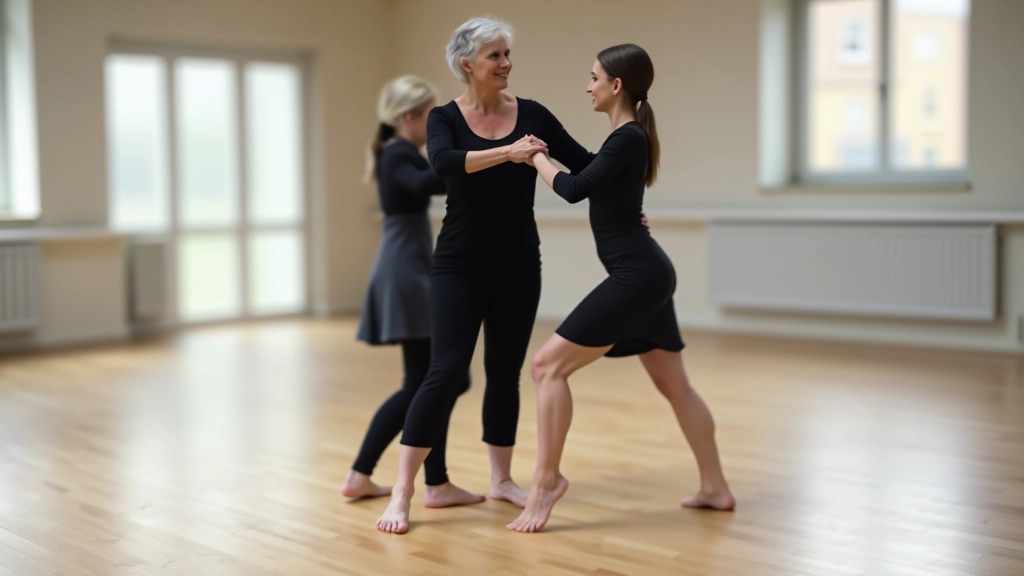
Choosing the Right Dance School in Waterford and Kilkenny
What to look for when selecting a dance school. We've covered class size, instructor experience, and what questions to ask before you start.
Finding the right dance school can feel overwhelming. There's a lot to consider — class sizes, instructor backgrounds, studio atmosphere, and whether the vibe actually matches what you're looking for. But here's the thing: you don't need to overthink it. We've helped dozens of people navigate this decision, and there are a few key factors that really matter.
Whether you're in Waterford or Kilkenny, the fundamentals are the same. You want instructors who actually know what they're doing, classes that won't intimidate you, and a space where you'll feel comfortable enough to keep coming back. Let's walk through what to look for.
Class Size and Student Mix
The size of your class matters more than you'd think. A group of 8-12 beginners feels completely different from a packed studio with 30 people. You'll get more attention, feel less lost, and actually notice when you're improving.
Ask about typical class sizes. If the instructor says "it varies," ask for the range. Most good beginner classes max out around 15 people. That's enough for energy and community, but small enough that the instructor can actually see what you're doing and give feedback.
Also check who's in the classes. Are there other beginners your age? That's a massive comfort factor. You don't need to be in a class full of 25-year-olds if you're learning at 50-plus. Many schools in Waterford and Kilkenny now run dedicated beginner groups specifically for mature adults, which changes everything.
Instructor Experience and Approach
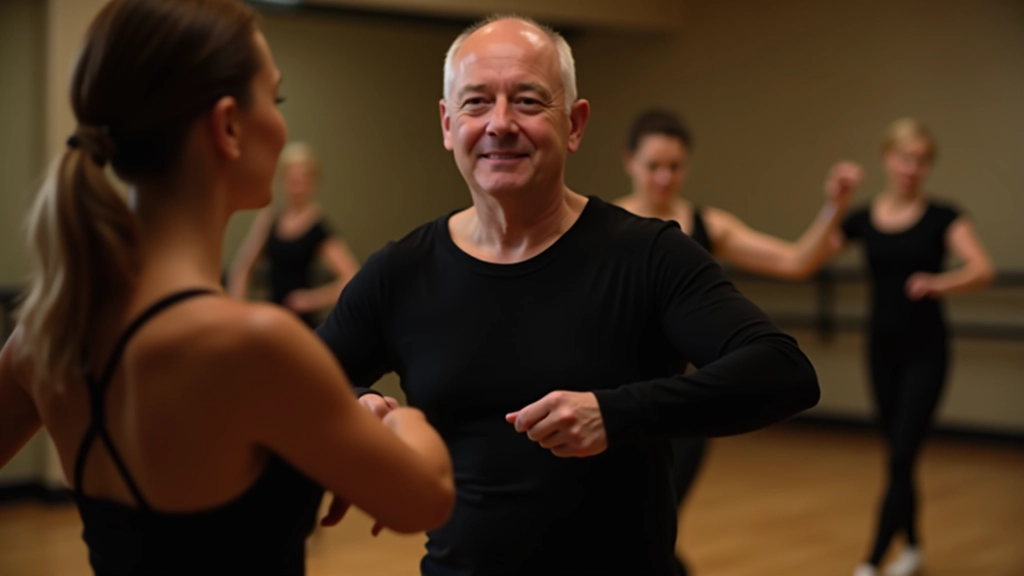
This is non-negotiable. Your instructor needs actual training and ideally some competition or performance background. Not because you need a celebrity — just because someone who's danced at a decent level understands the technique in a way that matters.
But here's what's equally important: they need to be able to TEACH. Someone can be a brilliant dancer and a terrible instructor. Look for someone who breaks movements down step-by-step, corrects without making you feel embarrassed, and explains the "why" behind what they're teaching.
A good question to ask: "How do you adapt teaching for different experience levels in a mixed group?" If they say they don't have mixed groups, that's fine. If they do, their answer should show they've thought about it. Modifications for balance, options for progression — that's what you want to hear.
Questions to Ask When You Visit
- What's the instructor's background? (Training, experience, performance history)
- How long have they been teaching beginners?
- What happens if you miss a few weeks? Can you jump back in?
- Is there a trial class or drop-in option?
- What's the studio atmosphere like? (Do people socialise after class?)
- Are there beginner-specific sessions or mixed levels?
Studio Atmosphere and Community
You can learn to dance in a sterile room, but you won't want to keep showing up. The atmosphere matters. A good studio feels welcoming — not intimidating. The instructor knows your name by week two. People stick around to chat after class. There's genuine encouragement rather than judgment.
Visit in person if you can. Watch a beginner class. Do the students look like they're enjoying themselves or just enduring it? Are people laughing? Does the instructor seem genuinely interested in their progress? These aren't small details.
Many studios in Waterford and Kilkenny host social dances or practice sessions outside of class. That's huge. It means you'll get to actually dance with partners, not just learn steps. You'll make friends. You'll feel part of something. Don't underestimate how much that matters for sticking with it long-term.

Before You Start
This article is educational information to help you understand what to look for in a dance school. Every person's needs are different — what works for one person might not work for another. If you have any physical limitations, health concerns, or injuries, it's always smart to mention them to your instructor before starting. They can suggest modifications or let you know if a particular class isn't suitable. That's normal and completely fine.
The Bottom Line
You're looking for three things: a qualified instructor who can actually teach, a class size that feels manageable, and an atmosphere where you'll want to come back. Small class sizes, experienced teachers, and a genuine community make the difference between dancing for 3 months and dancing for years.
Visit a few studios. Watch a class. Ask questions. Trust your gut. The right school is out there — it's the one where you walk out thinking "I want to come back next week."

Related Articles