Wellness & Movement
Health Benefits of Social Dancing After 45: Why You'll Feel Better
Improved balance, stronger heart health, better coordination, and genuine social connection. Dancing isn't just fun — it's one of the best things you can do for your body and mind at any age.
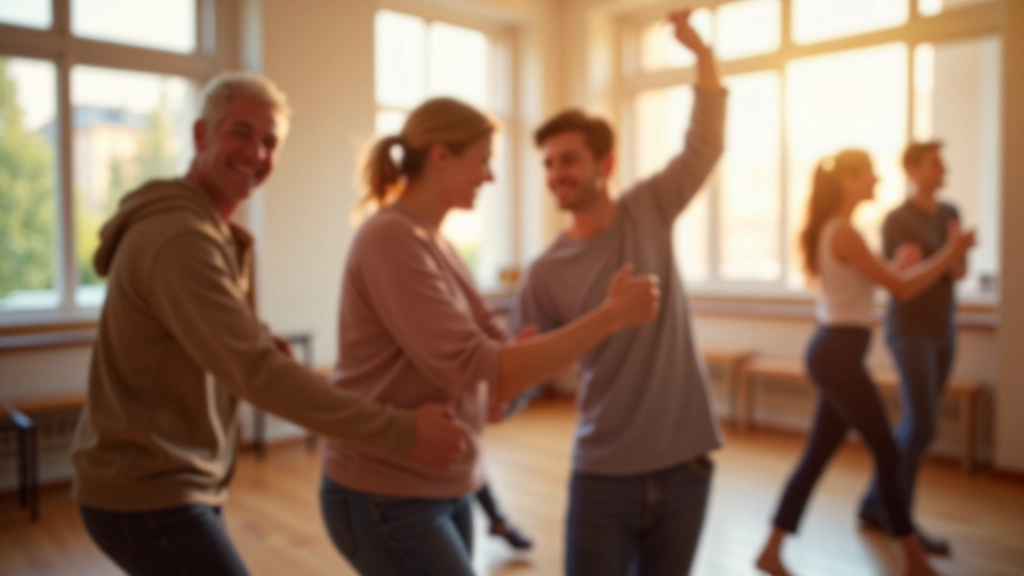
When you're over 45, staying active gets harder. Your joints aren't as flexible, your energy dips mid-afternoon, and honestly, traditional exercise can feel boring. But there's something different about dancing. It doesn't feel like exercise — it feels like fun.
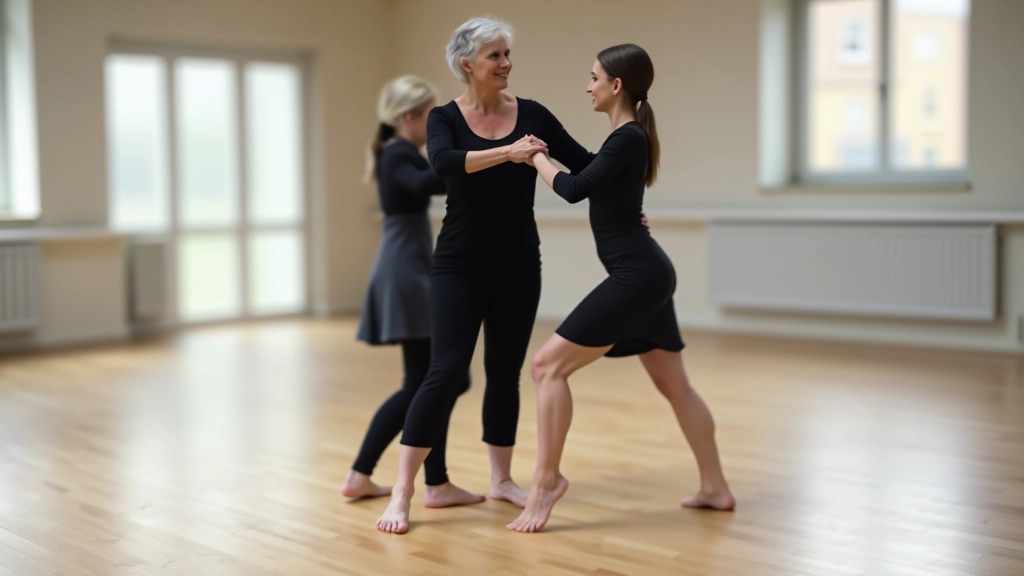
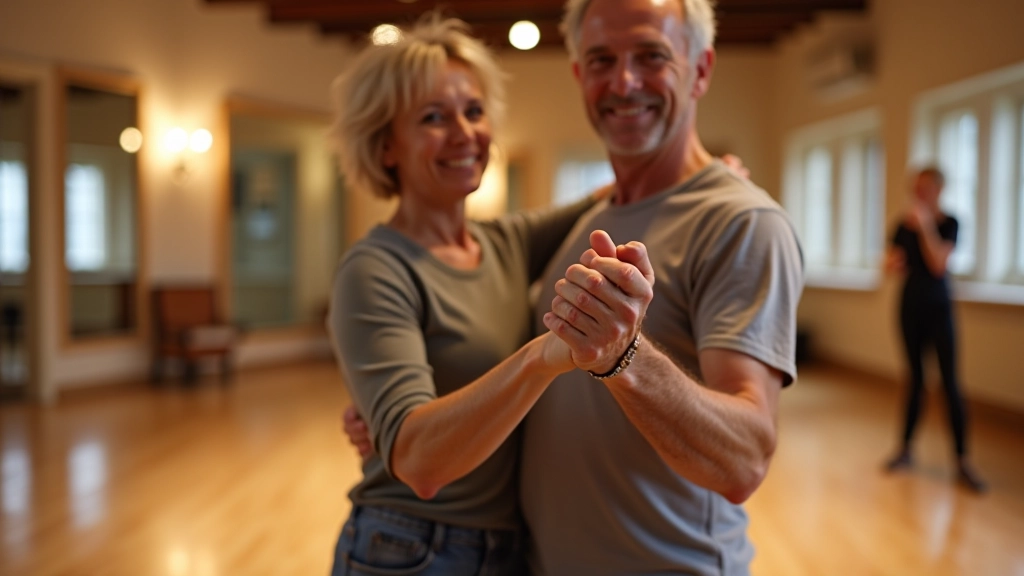
Social dancing — whether it's bachata, salsa, or any partner dance — combines movement, music, and human connection all at once. We're not talking about competitive dancing or perfect technique. We're talking about moving your body to music with other people, which is something humans have done for thousands of years. And it turns out, for people in their 50s, 60s, and beyond, it's genuinely one of the best things you can do for your physical and mental health.
Your Heart Gets Stronger (Without Feeling Like a Gym)
Dancing raises your heart rate. A typical 60-minute session gets your pulse up to 100-130 beats per minute, which is exactly what cardiologists recommend for cardiovascular health. But here's the difference from jogging on a treadmill: you're focused on the music and your partner, not on how tired you are.
Most people who dance regularly show measurable improvements in heart health within 8-12 weeks. Blood pressure drops. Resting heart rate improves. Your body becomes more efficient at using oxygen. And you're not white-knuckling through a workout — you're actually enjoying yourself.
Plus, partner dancing means you've got built-in motivation. You're not dancing alone in your room. You've got someone counting on you to show up, which means you're far more likely to stick with it than any gym membership.
Balance and Coordination Transform (The Fall Prevention Benefit Nobody Talks About)
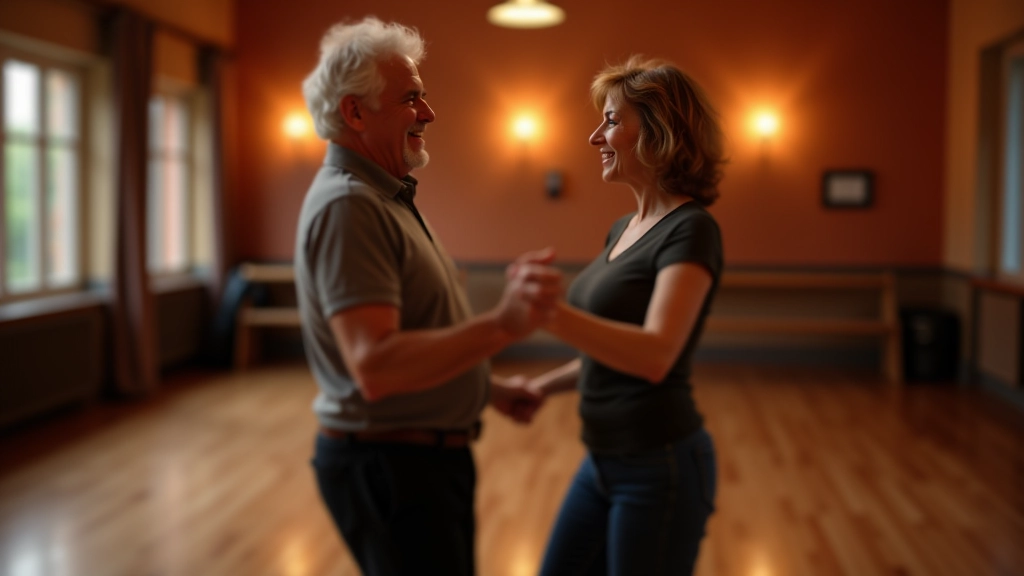
One of the biggest health risks for people over 45 is falling. A bad fall can mean broken bones, weeks in the hospital, and a major setback to independence. Most exercise programs ignore this. Dancing fixes it.
When you're learning basic steps, your body's constantly making small adjustments. Feet placement. Weight transfer. Staying centered. Responding to your partner's movement. This trains your proprioception — your body's ability to know where it is in space — which is exactly what prevents falls.
After 6-8 weeks of regular dancing, most people notice they feel more stable walking, climbing stairs, and just moving around daily. You're less likely to stumble. Your reactions are faster. Your legs are stronger. These aren't minor benefits — they're genuinely life-changing for people in their 50s and 60s.
The Mental Health Side (Which Might Be Even Better Than the Physical)
Depression and anxiety are common after 45. Life changes. Retirement looms. Kids move out. The body doesn't cooperate like it used to. Social dancing addresses all of this at once.
You're moving, which releases endorphins. You're learning something new, which keeps your brain active and engaged. You're around other people in a fun, low-pressure environment. You're being touched and acknowledged — partner dancing involves physical connection, which is something many people miss.
The social aspect can't be overstated. You're not dancing alone. You're in a class with other people your age who are in the same situation. You make friends. You have something to look forward to. You feel part of a community. All of this has measurable effects on mental health, stress levels, and even how long people live.
Flexibility and Strength Build Naturally
You don't get bulky muscles from dancing. You get lean, functional strength. The kind of strength that helps you carry groceries, get out of a chair, lift your grandkids, and feel capable in daily life.
Flexibility improves too. Your hips open up. Your spine becomes more mobile. Your shoulders relax. Chronic tension that you've carried for years just starts melting away because you're moving in natural, flowing patterns instead of repetitive gym movements.
The best part? You don't think about it as exercise. You're thinking about the music, about staying with your partner, about nailing the turn you've been practicing. The fitness benefits happen as a side effect of having fun.
The Brain Boost: Cognitive Health You Actually Enjoy
Learning dance steps activates multiple areas of your brain simultaneously. You're processing music, coordinating your limbs, responding to your partner, remembering sequences, and staying balanced all at once. This kind of complex cognitive engagement is exactly what keeps the brain sharp as you age.
Studies on dancing and cognitive health show that regular dancers have better memory, sharper focus, and lower risk of cognitive decline. You're not just preventing mental aging — you're actively training your brain to work better.
And unlike crossword puzzles or brain training apps, you're doing this while having fun, being social, and feeling accomplished. Every time you nail a step you've been struggling with, your brain gets a real sense of achievement. That matters.
A Quick Note on Health and Safety
This article provides educational information about the general health benefits associated with social dancing for people over 45. It's not medical advice, and individual results vary based on fitness level, existing health conditions, and how consistently you practice.
If you have joint issues, heart conditions, or any medical concerns, it's worth talking to your doctor before starting. Most instructors can modify movements to work with your body. But professional medical guidance is always the right call before making major changes to your activity level.
So Why Wait?
The health benefits of dancing after 45 are real. Your heart gets stronger. Your balance improves. Your brain stays sharp. You make friends. You feel more confident. You have something fun to look forward to every week.
The best part? You don't need to be young, fit, or coordinated to start. Every single person who walks into a beginner dance class is exactly where you are now. Most of them were nervous too. Most of them weren't sure they could do it. And most of them wouldn't trade it for anything.
If you're in Ireland and thinking about giving it a try, there are great dance schools in Waterford and Kilkenny that specialize in teaching adults. The community is welcoming. The instructors understand exactly what it's like to start something new at this stage of life. You've got nothing to lose except maybe a few hours of feeling stiff — and everything to gain.